Request for Quotation (RFQ) processes represent the gateway to successful manufacturing partnerships. Well-crafted RFQs attract qualified suppliers, generate accurate pricing, and establish clear expectations that prevent costly misunderstandings. Conversely, poorly structured RFQs waste time, generate incomparable quotes, and increase the likelihood of quality issues or delivery delays.
Essential RFQ Components
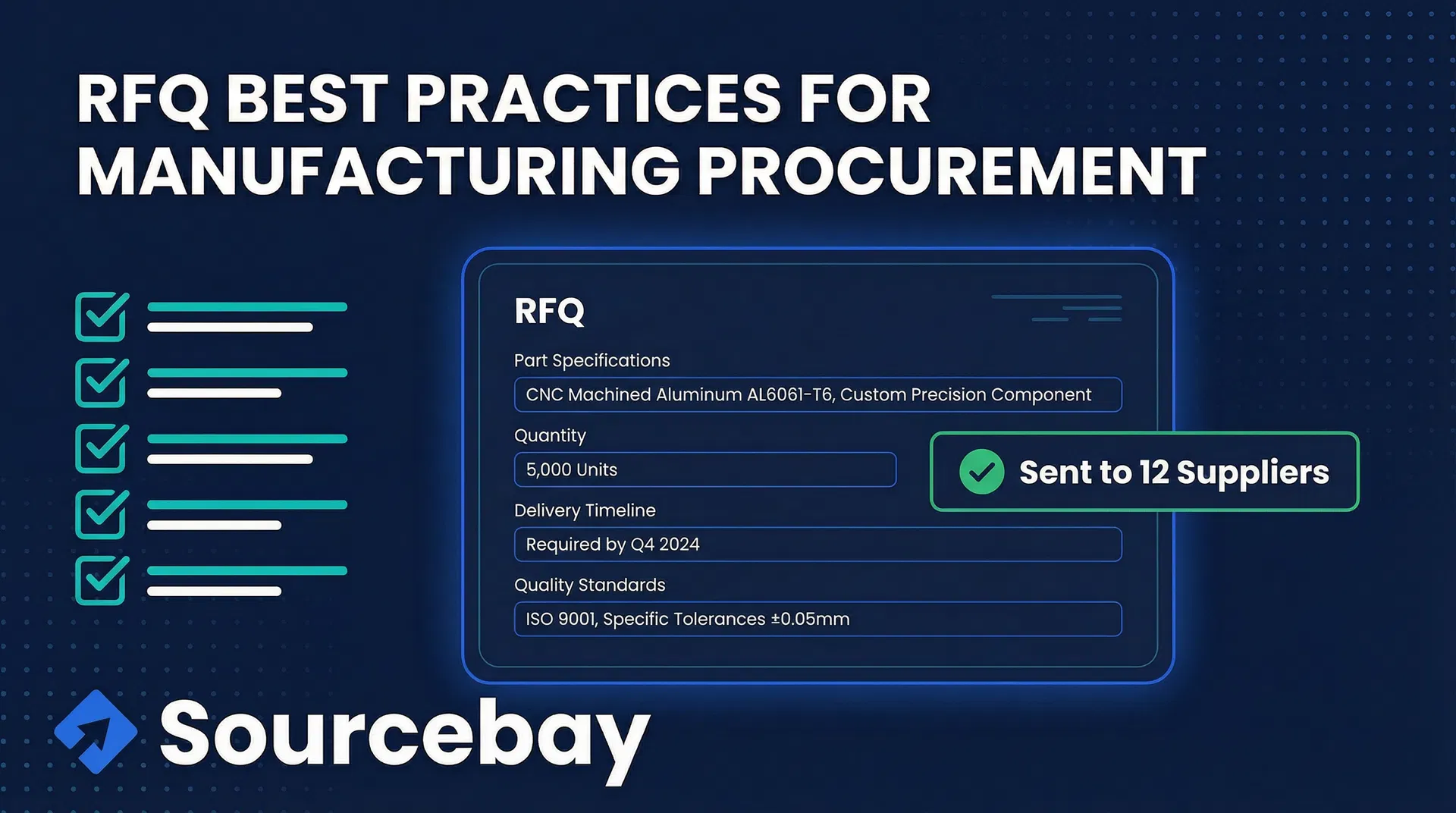
Complete technical specifications form the cornerstone of effective RFQs. Ambiguous or incomplete specifications force suppliers to make assumptions, resulting in quotes that may not reflect actual requirements. Detailed drawings with clearly marked dimensions, tolerances, and surface finish requirements eliminate guesswork and enable accurate pricing.
Material specifications require precise definition beyond generic descriptions. Specifying "aluminum" leaves room for interpretation across dozens of alloy variations with significantly different properties and costs. Identifying the exact alloy (such as 6061-T6 or 7075-T6) ensures suppliers quote appropriate materials and prevents costly corrections later.
Quantity requirements dramatically impact manufacturing costs and supplier selection. Unit costs for prototype quantities differ substantially from production volumes due to setup costs, tooling amortization, and process optimization opportunities. Providing both initial quantities and projected annual volumes helps suppliers propose appropriate manufacturing approaches and pricing structures.
Quality and Certification Requirements
Quality standards and inspection requirements must be explicitly stated in RFQs. Generic statements like "high quality required" provide no actionable guidance. Instead, specify applicable industry standards (such as ISO 9001, AS9100, or ISO 13485), required inspection procedures, and documentation expectations including Certificates of Conformance or First Article Inspection Reports.
Regulatory compliance requirements vary significantly across industries and applications. Medical device components may require FDA-registered facilities and ISO 13485 certification. Aerospace parts often demand AS9100 certification and NADCAP accreditation for special processes. Clearly communicating these requirements upfront prevents wasted effort quoting suppliers who cannot meet mandatory qualifications.
Testing and validation expectations should be defined during the RFQ phase. Requirements for material certifications, dimensional inspection reports, or functional testing impact supplier capabilities and pricing. Specifying these expectations early ensures quotes include all necessary quality activities and prevents scope creep during production.
Delivery and Logistics Considerations
Lead time requirements influence supplier selection and manufacturing approaches. Rush orders requiring expedited delivery command premium pricing and may limit supplier options. Providing realistic timelines enables suppliers to propose cost-effective manufacturing schedules and delivery methods.
Delivery terms and shipping responsibilities require clear definition. Specifying Incoterms (such as EXW, FOB, or DDP) establishes responsibility for shipping costs, insurance, and customs clearance. Ambiguity in delivery terms leads to unexpected costs and disputes over shipping damage or delays.
Packaging and labeling requirements affect handling costs and logistics complexity. Special packaging for fragile components, specific labeling for inventory management, or compliance with customer-specific packaging standards should be communicated in the RFQ. These requirements may seem minor but can significantly impact total landed costs.
Supplier Selection and Distribution
Targeted supplier distribution improves RFQ efficiency and response quality. Broadcasting RFQs to dozens of unqualified suppliers wastes time reviewing irrelevant quotes and may compromise intellectual property. Curating a qualified supplier list based on capabilities, certifications, and past performance generates more valuable responses.
Pre-qualification processes streamline supplier selection for complex or high-value projects. Evaluating supplier capabilities, quality systems, and financial stability before issuing RFQs ensures only qualified candidates receive sensitive technical information. This approach proves especially important for proprietary designs or regulated industries with strict supplier requirements.
Geographic considerations balance cost optimization with supply chain resilience. Domestic suppliers often provide faster communication, easier quality oversight, and reduced logistics complexity despite potentially higher labor costs. International suppliers may offer cost advantages but introduce longer lead times, communication challenges, and increased logistics complexity.
Creating Comparable Quote Formats
Standardized quote formats facilitate objective comparison across multiple suppliers. Requesting specific information in a defined structure enables apples-to-apples evaluation. Key elements include unit pricing by quantity break, tooling or setup costs, lead times, payment terms, and validity periods.
Total cost of ownership extends beyond unit pricing to include tooling, shipping, duties, and quality costs. Requesting detailed cost breakdowns reveals hidden expenses and enables more accurate supplier comparisons. A supplier with slightly higher unit costs but lower tooling expenses may represent better value for low-volume projects.
Alternative proposals encourage supplier innovation and value engineering. While maintaining baseline requirements, inviting suppliers to suggest alternative materials, processes, or designs can uncover cost-saving opportunities. Experienced suppliers often identify optimization possibilities that design engineers may overlook.
Communication and Clarification Processes
Structured question-and-answer periods ensure all suppliers receive consistent information. Establishing deadlines for supplier questions and distributing answers to all participants maintains fairness and prevents competitive advantages based on informal communications. This transparency improves quote accuracy and supplier confidence in the process.
Pre-bid conferences benefit complex projects with significant technical requirements or substantial investment. Virtual or in-person meetings enable detailed discussions of requirements, site visits, and relationship building. These interactions help suppliers better understand project scope and customer expectations, resulting in more accurate and competitive quotes.
Amendment procedures handle requirement changes during the quoting period. Formal change notifications with extended deadlines ensure all suppliers can incorporate modifications into their proposals. Informal or inconsistent communication of changes creates confusion and incomparable quotes.
Evaluation Criteria and Decision Making
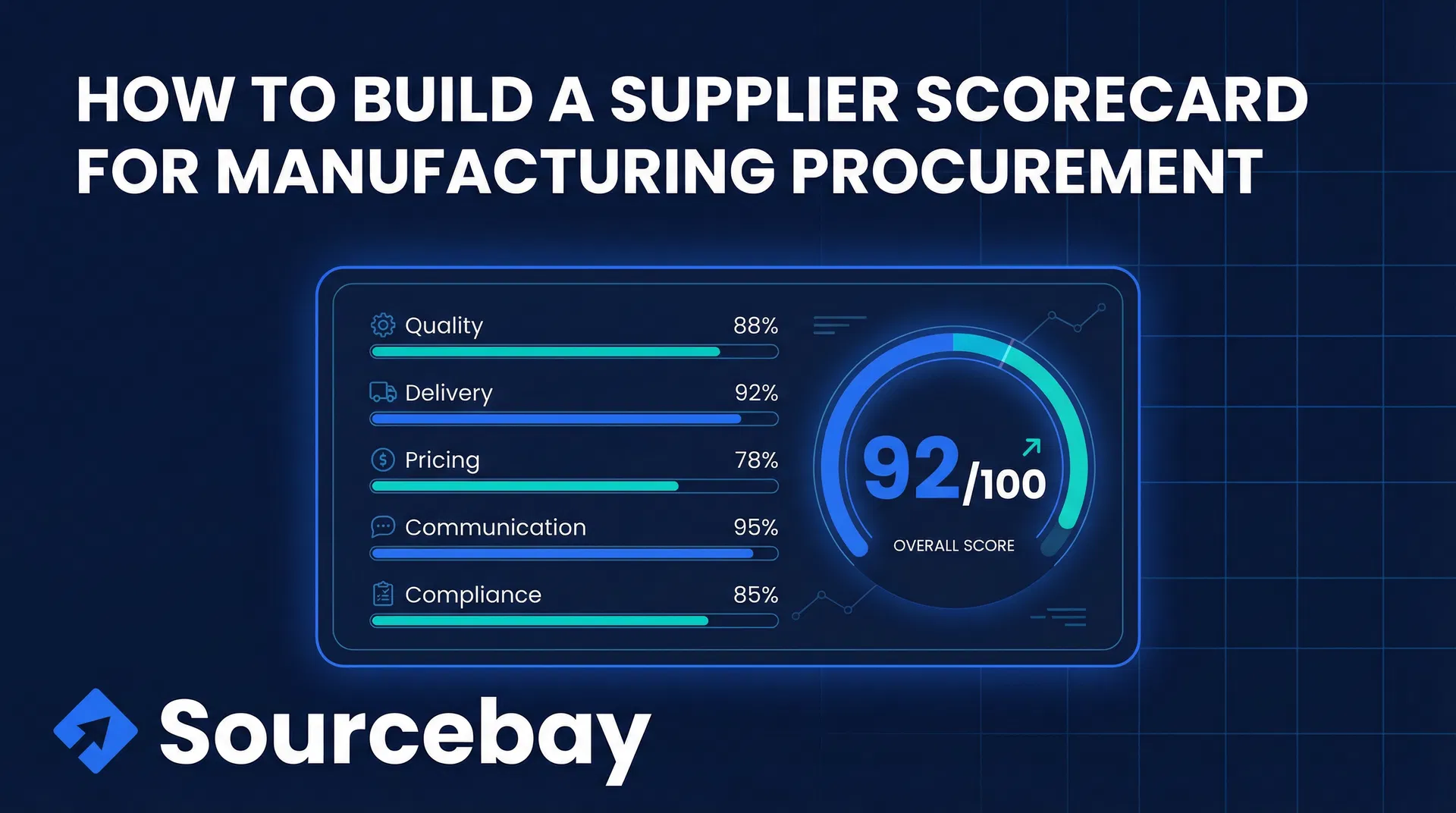
Multi-factor evaluation frameworks prevent over-emphasis on price alone. While cost remains important, quality, delivery reliability, technical capability, and financial stability all contribute to supplier success. Weighted scoring systems quantify these factors and support objective decision-making.
Reference checks validate supplier claims and reveal potential issues. Speaking with current customers provides insights into quality performance, delivery reliability, and responsiveness that quotes cannot convey. Asking specific questions about defect rates, on-time delivery, and problem resolution yields actionable information.
Site visits or audits verify supplier capabilities for critical projects. Observing manufacturing facilities, quality systems, and organizational culture firsthand provides valuable context for supplier selection. Virtual tours offer cost-effective alternatives when travel proves impractical.
Negotiation Strategies
Value-based negotiations focus on total cost of ownership rather than unit price alone. Discussing payment terms, volume commitments, or design modifications can unlock cost reductions while maintaining supplier profitability. Collaborative approaches build stronger relationships than aggressive price-focused tactics.
Volume leverage opportunities emerge when consolidating purchases across multiple projects or product lines. Suppliers often provide better pricing for larger commitments that improve their capacity utilization and reduce administrative overhead. However, volume commitments require careful demand forecasting to avoid excess inventory or cancellation penalties.
Long-term agreements balance price stability with flexibility. Multi-year contracts with defined pricing or escalation clauses provide budget predictability while ensuring supplier capacity allocation. Including periodic review provisions allows adjustments for significant market changes or volume variations.
Digital Tools and Automation
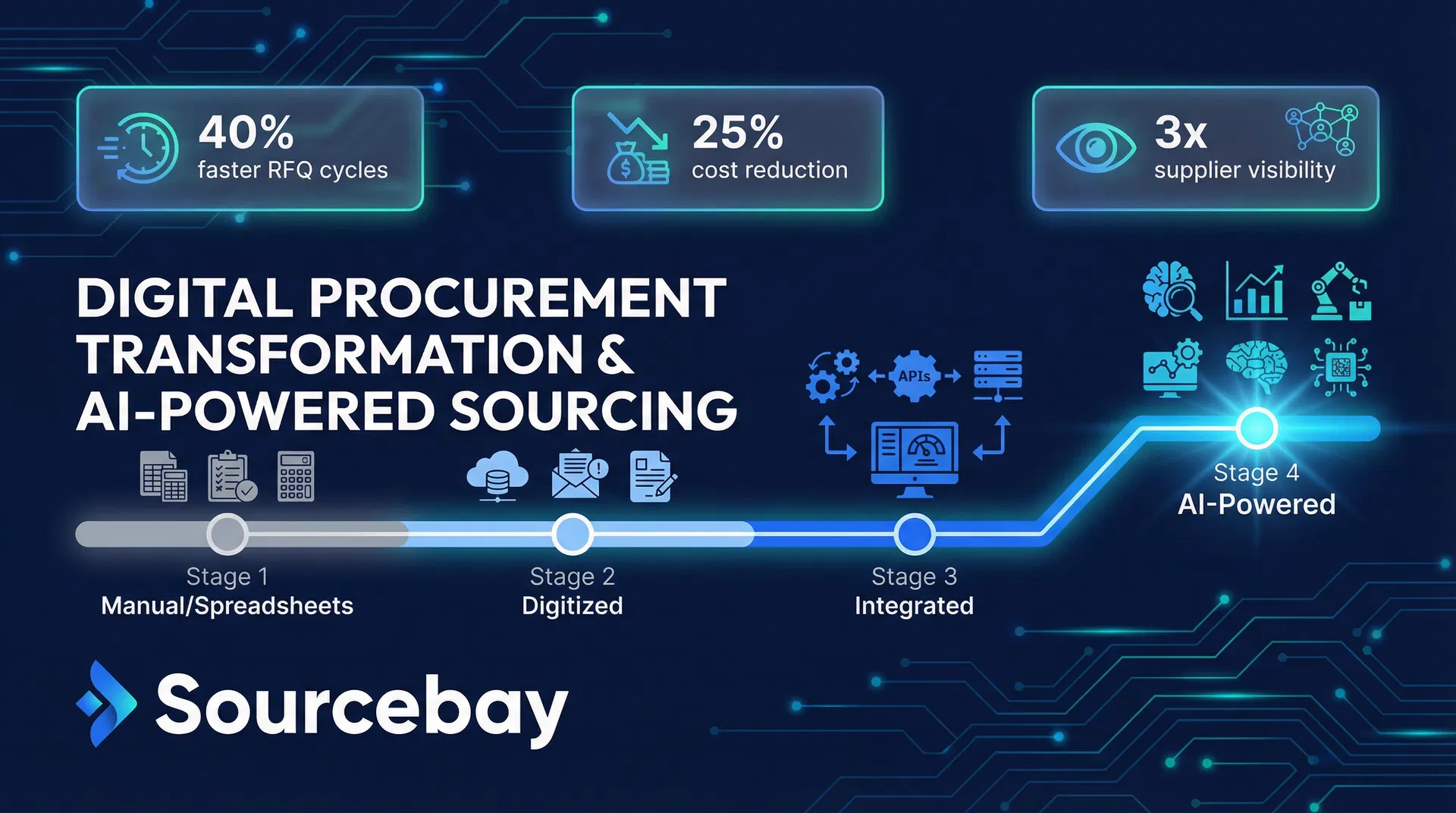
RFQ management platforms streamline the quotation process for both buyers and suppliers. Cloud-based systems enable secure document sharing, automated quote comparisons, and audit trails. Integration with CAD systems and ERP platforms further reduces manual effort and improves data accuracy.
AI-powered quote analysis accelerates evaluation by automatically extracting pricing, lead times, and terms from supplier responses. Machine learning algorithms identify outliers, flag potential issues, and rank quotes based on predefined criteria. This automation allows procurement teams to focus on strategic evaluation rather than data compilation.
Supplier portals provide self-service access to RFQ documents, specifications, and communication history. Centralized information reduces email volume, prevents version control issues, and improves supplier experience. Enhanced supplier satisfaction often translates to better pricing and prioritization during capacity constraints.
About the Author: The SourceBay team specializes in manufacturing procurement optimization, helping companies streamline RFQ processes and build high-performing supplier networks across diverse industries.
Manufacturing Procurement Specialists
The Sourcebay Editorial Team comprises seasoned professionals with 15+ years of combined experience in B2B manufacturing procurement, supply chain management, and industrial sourcing across automotive, aerospace, electronics, and precision engineering sectors. Our team has helped hundreds of procurement managers streamline RFQ workflows, qualify suppliers, and reduce sourcing cycle times. We write to share practical, field-tested insights for engineering and procurement professionals.